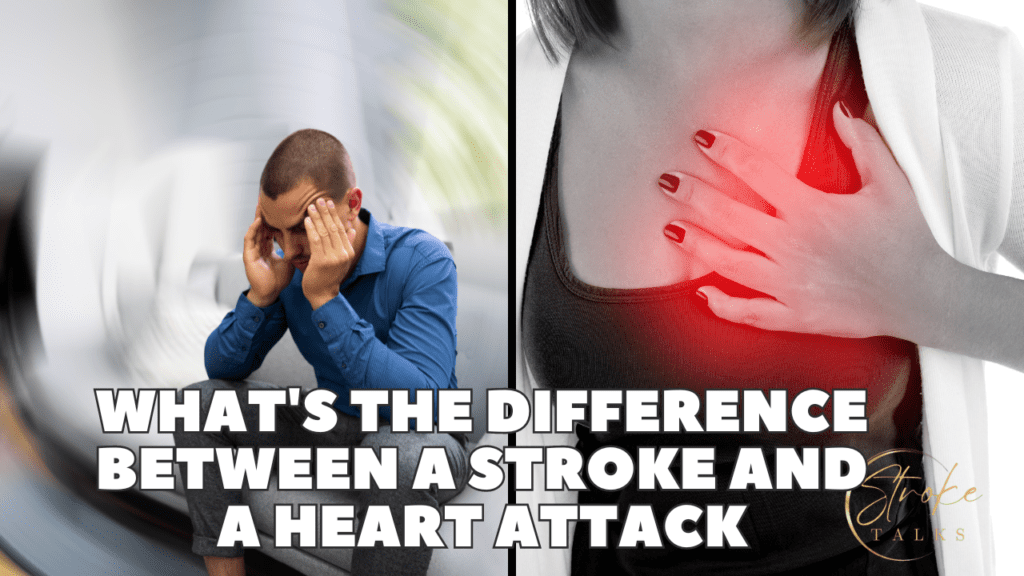
Strokes and heart attacks are often confused due to their sudden onset and serious nature, yet they impact the body differently and require distinct responses. This common confusion highlights the importance of understanding the unique symptoms and causes of each condition. Educating ourselves on these differences is not just a matter of knowledge but can be crucial in emergency situations, where recognizing the signs can significantly influence the outcome.
What is a Stroke?
A stroke, often described as a “brain attack,” occurs when blood flow to the brain is obstructed, either due to a blockage or a burst blood vessel. This leads to the rapid death of brain cells due to oxygen starvation.
Symptoms of a Stroke
- Sudden numbness or weakness, especially on one side of the body
- Trouble speaking or understanding speech
- Confusion and difficulty seeing
- Unexplained severe headache (in some cases)
What is a Heart Attack?
A heart attack happens when the blood supply to the heart is suddenly blocked, typically by a blood clot, causing damage to the heart muscle.
Symptoms of a Heart Attack
- Chest pain or discomfort
- Pain in shoulders, back, neck, or jaw
- Shortness of breath
- Feeling weak, lightheaded, or faint
Shared Risk Factors
Both strokes and heart attacks share common risk factors such as high blood pressure, high cholesterol, smoking, and obesity. It’s crucial to manage these risks through a healthy lifestyle and regular medical check-ups.
A Personal Stroke Experience
My own experience with a stroke caused by carotid webbing, a rare condition where a web-like formation in the carotid artery impedes blood flow underscores the importance of awareness of all potential risk factors, not just the common ones. While my stroke’s cause is less frequent, it highlights the critical need for comprehensive health assessments to uncover less common risks.
The Importance of Awareness
Discussing these health risks and understanding the differences between strokes and heart attacks is vital. Awareness can lead to early detection, prompt treatment, and potentially save lives. Educating ourselves and our communities about the signs and symptoms, along with maintaining a healthy lifestyle, can significantly reduce the risk of experiencing these life-threatening events.
Originally published February 2024 on Stroke Talks, now part of the Mamas and Coffee® community. Learn more about stroke awareness, recovery, and survivor stories at mamasandcoffee.com/stroke-talks

 Do you want to join a fun, supportive group of women? Come on over to our supportive, loving and fun facebook group. Mamas and Coffee® is all about the REAL of womanhood. Join Us.

Know You Be You Love You® message to empower others in life.
- Are We Raising Kids Who Can Handle the Real World? - September 26, 2026
- Sickle Cell Disease and Stroke in Children: What Parents Should Know - September 8, 2026
- A Stroke at Nine Years Old: Chloe’s Story of Survival, Growing Up and Finding Her Voice - August 27, 2026