In this article, I’m going to give a quick overview of the types of stroke.
Remember, a stroke is a brain attack, a medical emergency that requires immediate medical attention. If you suspect someone is having a stroke or you are experiencing symptoms, call 911 immediately and tell the 911 dispatcher someone or you are having a stroke. This allows the EMTs to be prepared and route you or a loved one to the appropriate hospital for treatment. The more information given in the initial call, the better.
The types of stroke
Ischemic Stroke: This is the most common type of stroke, accounting for about 85% of all cases. An ischemic stroke occurs when a blood clot or plaque buildup blocks or narrows an artery, reducing blood flow to a specific part of the brain. This blockage deprives oxygen and nutrients to the brain cells, leading to their damage or death. I suffered an ischemic stroke which wasn’t caused by plaque buildup but by a rare cause of stroke known as carotid webbing. I will be discussing this rare cause in future articles, videos, and monthly virtual stroke awareness events that I host for FREE.
Hemorrhagic Stroke: This type of stroke happens when a blood vessel in the brain ruptures and causes bleeding into the surrounding brain tissue.
Hemorrhagic strokes can be further divided into two subtypes:
Intracerebral Hemorrhage: This occurs when a blood vessel within the brain ruptures and causes bleeding.
Subarachnoid Hemorrhage: This type of stroke happens when there is bleeding between the brain and the tissues that cover it.
Transient Ischemic Attack (TIA): Also known as a “mini-stroke,” a TIA is a temporary interruption of blood flow to the brain. It occurs when there is a brief blockage or clot that resolves itself, usually within a few minutes to a couple of hours. Although the symptoms are similar to those of a stroke, a TIA does not cause permanent brain damage. However, it is considered a warning sign, as it indicates an increased risk of a full-blown stroke in the future.
The symptoms of stroke
- Sudden numbness or weakness in the face, arm, or leg (especially on one side of the body)
- confusion
- trouble speaking or understanding speech
- severe headache
- dizziness
- and trouble with coordination or balance
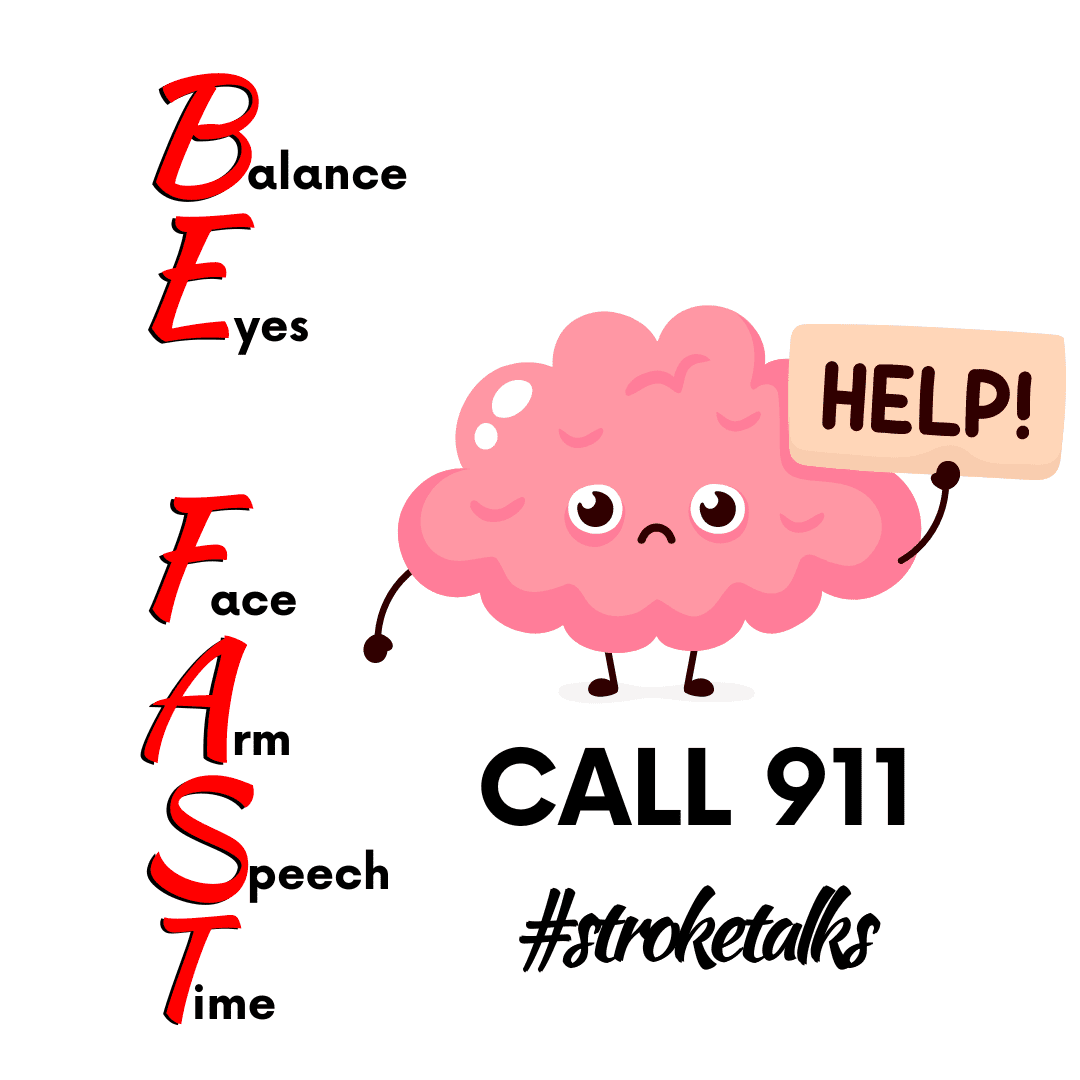
If you don’t remember the types of stroke, please remember… BE FAST; an acronym for the symptoms of stroke and the response you MUST have. Every second matters when someone is suffering a stroke.
Originally published Dec 2023 on Stroke Talks, now part of the Mamas and Coffee® community. Learn more about stroke awareness, recovery, and survivor stories at mamasandcoffee.com/stroke-talks
[mailerlite_form form_id=1]
 Do you want to join a fun, supportive group of women? Come on over to our supportive, loving and fun facebook group. Mamas and Coffee® is all about the REAL of womanhood. Join Us.

- No Makeup, Real Talk, and Squirrel Moments: Mamas and Coffee Gets a Show! - January 23, 2026
- What Are The Types of Stroke - November 22, 2025
- What is Carotid Artery Thrombosis? - November 17, 2025